
Microneedling & Exosomes
Support your skin's natural renewal process with treatments focused on improving texture, tone and overall appearance. Microneedling may help soften the appearance of fine lines and certain types of scarring, while additional skincare options can be discussed as part of your personalised treatment plan.

What is Microneedling?
Microneedling is a skin rejuvenation treatment that uses fine, sterile needles to create controlled micro-injuries in the skin. This stimulates the skin's natural healing response and can encourage collagen production, helping improve skin texture and the appearance of certain imperfections.

How do they work?
A specialist microneedling device creates tiny, controlled channels in the skin. As the skin responds, gradual changes in texture and appearance may develop over time.
Exosome-based skincare products may also be discussed during your consultation, where suitable. Their use depends on the specific product, its intended application and the available evidence.
How is treatment administered?
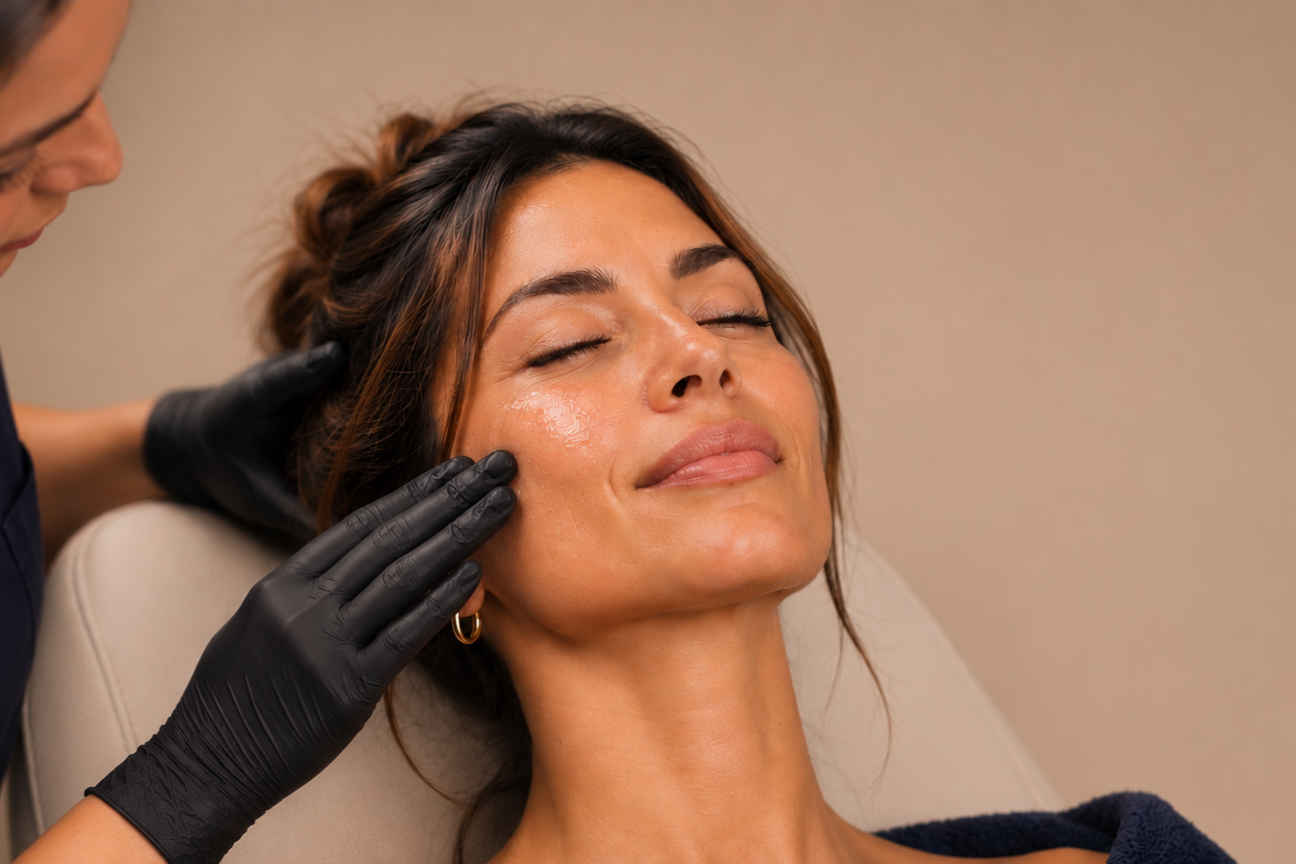
Microneedling is performed using a specialist device with fine, sterile needles. The depth and treatment approach are selected according to your skin type, concerns and individual suitability.
Your practitioner will explain the procedure, any additional products being considered and the aftercare required.

Expected Outcomes
Depending on your skin and treatment plan, microneedling may help improve:
Uneven skin texture
The appearance of fine lines
Certain types of acne scarring
Overall skin smoothness and appearance
Results vary between individuals, and some concerns may require several sessions.
Longevity
Visible improvements may develop gradually over several weeks. Their duration depends on your skin, the concern being treated and your individual response.
Your practitioner will explain whether a course of treatments or further review may be appropriate.
Risks and Possible Side Effects
Common temporary effects may include:
Redness and sensitivity
Mild swelling or tenderness
Dryness or flaking
Pinpoint bleeding
Less common complications include infection, pigmentation changes, prolonged irritation and scarring.
Your next steps…
Book a consultation to discuss your skin concerns and explore whether microneedling is suitable for you. We'll explain the treatment options, expected outcomes, possible risks and costs before you decide whether to proceed.
Chemical Peels
Refresh your complexion with carefully selected chemical peels designed to exfoliate the skin and improve its overall appearance. Whether you're concerned about uneven texture, dullness or certain types of pigmentation, we'll help you explore an approach suited to your skin.

What are Chemical Peels?
Chemical peels are skin treatments that use specially formulated solutions to exfoliate the skin. Depending on the type and strength of the peel, they may help improve the appearance of uneven tone, rough texture and fine lines.

How do they work?
A chemical solution is applied to the skin to encourage exfoliation and the shedding of surface skin cells.
Different peels work at different depths, so the treatment selected will depend on your skin type, concerns and medical history.
How is treatment administered?
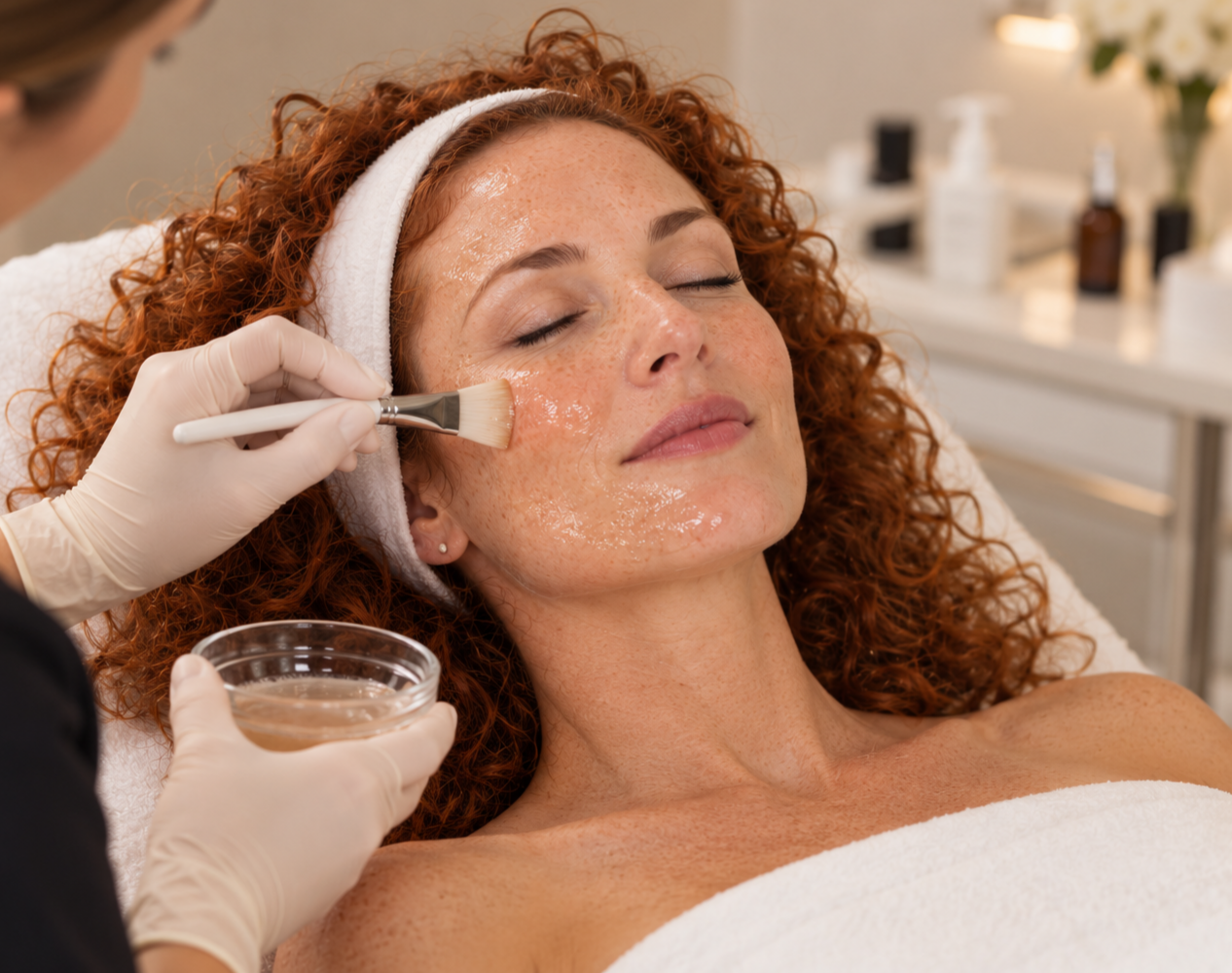
Your skin will be assessed and prepared before a carefully selected chemical peel is applied.
The solution is left on or neutralised according to the product's instructions and treatment protocol. Your practitioner will explain what sensations to expect and how to care for your skin afterwards.

Risks and Possible Side Effects
Common temporary effects may include:
Redness or sensitivity
Dryness, flaking or peeling
Temporary tightness or irritation
Less common complications include burns, infection, persistent pigmentation changes and scarring. Certain peels may also trigger cold sore outbreaks in susceptible individuals.
Your practitioner will explain the risks associated with the specific peel recommended for you.